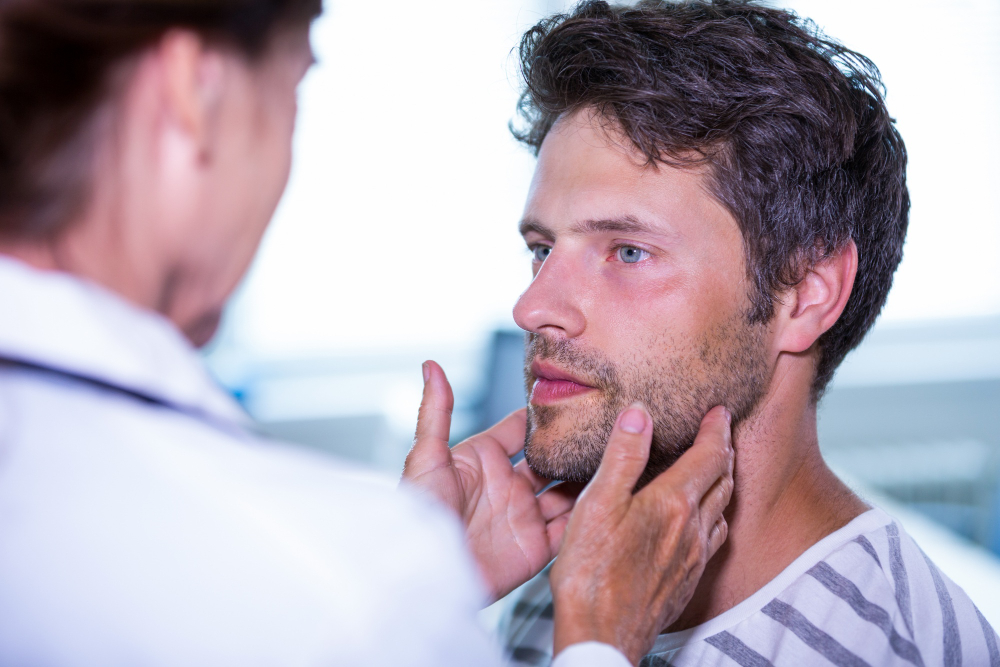
What Is the Parotid Gland?
The parotid gland is the largest salivary gland in your body. It sits just in front of your ear on each side of your face. Because it makes saliva, it helps you chew and swallow food. Saliva also keeps your mouth moist and helps protect your teeth. While you have several salivary glands, the parotid gland is the one most often needing surgery.
Common Reasons for Parotid Surgery
Doctors may suggest parotid surgery for different reasons. Often, it is because of a lump or swelling. Sometimes, these lumps are harmless, but others may be cancerous. In addition, infections or stones can block the gland. Here are some common reasons for parotid surgery:Benign (non-cancerous) tumorsMalignant (cancerous) tumorsChronic infectionsSalivary gland stones causing blockageCysts or abscesses that do not heal
Because these issues can affect your health, doctors may recommend removing part or all of the gland.
Symptoms Indicating Parotid Gland Problems
Sometimes, parotid gland problems are easy to spot. For example, you may notice a lump or swelling near your jaw or ear. Other times, symptoms are less obvious. Watch for these signs:Pain or tenderness near the ear or jawDry mouth or trouble swallowingChanges in tastePus or fluid draining into the mouthFacial weakness or numbness
If you notice any of these symptoms, it is important to see a doctor. Early care can help prevent more serious problems.
How Doctors Diagnose Parotid Gland Issues
Doctors use several steps to find out what is wrong with the parotid gland. First, they will ask about your symptoms and do a physical exam. Next, they may use tests to get a closer look. For example, they might order:Ultrasound scans to see inside the glandMRI or CT scans for detailed imagesFine needle aspiration, which uses a thin needle to take a sample
Because these tests help doctors learn more, they can choose the best treatment for you.
Treatment Options Before Surgery
Not every parotid gland problem needs surgery. In fact, doctors often try other treatments first. For example, if you have an infection, you may get antibiotics. If a stone is blocking the gland, sometimes it can be removed without surgery. Other options may include:Warm compresses to ease painDrinking more water to help saliva flowMassage of the gland
However, if these treatments do not work, or if a tumor is found, surgery may be needed.
When Is Parotid Gland Removal Necessary?
Doctors may recommend parotid gland removal, also called parotidectomy, in certain cases. For instance, if a tumor is cancerous, surgery is often the best choice. Sometimes, even benign tumors need removal if they grow or cause pain. You may also need surgery if:There is a large cyst or abscess that does not healThe gland is badly damaged from infectionA stone is stuck and cannot be removed any other way
Because each case is different, your doctor will explain why surgery is the best option for you.
What to Expect During Parotid Surgery
Parotid surgery is usually done in a hospital. First, you will get medicine to help you sleep during the procedure. Next, the surgeon makes a small cut near your ear or jaw. They remove the part of the gland that is causing problems. In many cases, the surgeon tries to protect the facial nerve, which helps you move your face. After surgery, you may stay in the hospital for one or two days. Most people go home soon after.
Recovery and Aftercare Tips
After parotid surgery, you will need some time to heal. For example, you may have swelling or mild pain for a few days. Your doctor will give you instructions to help you recover. Here are some tips:Keep the surgical area clean and dryTake pain medicine as directedEat soft foods if chewing is hardWatch for signs of infection, such as redness or feverAttend all follow-up visits with your doctor
Because healing takes time, it is important to rest and follow your care plan.
Preventing Parotid Gland Problems
While not all parotid gland issues can be prevented, some steps may help. For instance, good oral hygiene can lower your risk of infection. Drinking plenty of water helps keep saliva flowing. You can also:Brush and floss your teeth dailyAvoid tobacco and limit alcoholSee your dentist regularlyEat a balanced diet to support your immune system
Because early care makes a difference, talk to your doctor if you notice any symptoms.