Introduction
Tiny hearing aids are changing the lives of many children. These small devices help kids hear better at school and with friends. For families, this topic matters because hearing loss can affect learning and social life. When children hear clearly, they join in class and play with others. As a result, tiny hearing aids for children offer hope and support for a brighter future.
What Are Tiny Hearing Aids?
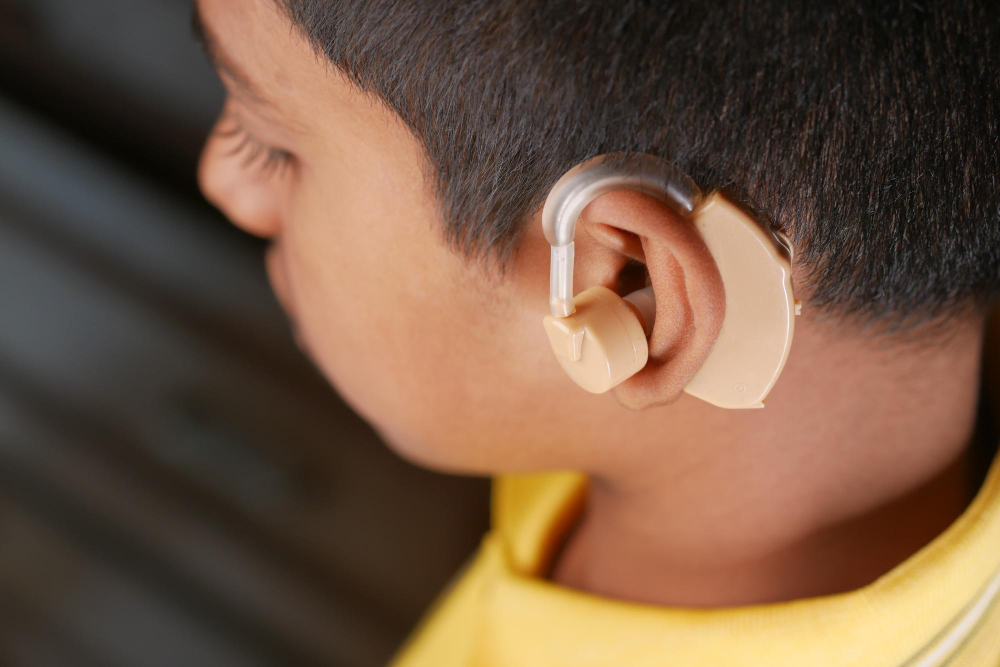
Tiny hearing aids are small devices that fit inside or behind the ear. They help children with hearing loss by making sounds louder and clearer. Because they are small, they are comfortable and easy to wear. Many children like them because they are less noticeable. In addition, some models connect to phones or classroom devices, making them even more helpful. Tiny hearing aids for children are designed to be safe, strong, and simple to use.
How Tiny Hearing Aids Support Learning in School
Children with hearing loss may struggle in class. However, tiny hearing aids help them hear the teacher and classmates. This means they can follow lessons and join group work. As a result, their focus and attention improve. According to the CDC, better hearing leads to better grades and more success in school. In many cases, children with hearing aids feel more confident to ask questions and share ideas. For example, they can hear instructions during tests or group activities. Because of this, tiny hearing aids in school make learning easier and more enjoyable.
Impact on Friendships and Social Life
Making friends is important for every child. Yet, hearing loss can make it hard to join conversations or games. With tiny hearing aids, children hear their friends clearly. This helps them join in play and understand jokes or stories. As a result, they feel included and less alone. In addition, children can talk with friends at lunch or on the playground. Over time, these positive experiences help build strong friendships. Helping kids with hearing loss in social settings is key to their happiness.
Benefits for Confidence and Emotional Well-being
When children hear well, they feel better about themselves. Tiny hearing aids boost self-esteem because kids can join in and succeed. For instance, they may feel proud when they answer questions or make new friends. According to experts, children with good hearing support have fewer worries and feel less stressed. In addition, they are less likely to feel left out or sad. Because of these benefits, child hearing aid benefits go beyond just hearing—they help with emotional health too.
Tips for Parents and Teachers
Encourage children to wear their hearing aids every day.Check the devices often to make sure they work well.Talk to teachers about your child’s needs in class.Use simple words and face the child when speaking.Give extra time for your child to answer questions.Help classmates understand how to include everyone.Ask your child how they feel about their hearing aids.Work with a hearing specialist for regular check-ups.
Frequently Asked Questions
Are tiny hearing aids comfortable for children?Yes, most are designed to fit small ears and feel light.Will my child be able to play sports with hearing aids?In most cases, children can play safely. However, it is best to ask your hearing specialist for advice.Do tiny hearing aids need special care?Yes, clean them often and store them safely. Your hearing specialist can show you how.Can teachers help my child in class?Yes, teachers can use microphones or seating plans to help your child hear better.Are tiny hearing aids easy to use?Most are simple to put on and adjust. Children learn quickly with practice.
Conclusion
Tiny hearing aids for children can make a big difference in school and with friends. They help kids learn, join in, and feel good about themselves. If you think your child may benefit, consult Dr.Satish Kumar Korum ENT to learn how tiny hearing aids can support your child’s success at school and with friends.