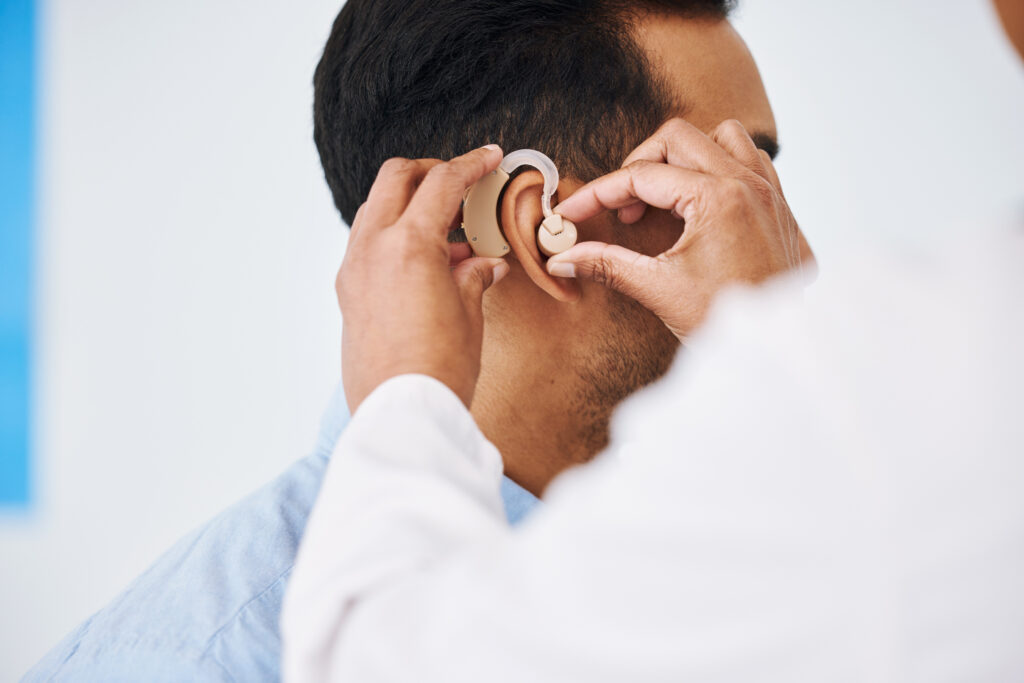
What Are Hearing Aids?
Hearing aids are small devices that help people hear better. They make sounds louder and clearer. Many adults and children use hearing aids to improve their hearing. According to the World Health Organization, over 430 million people worldwide need help with hearing. For many, hearing aids offer a simple solution. These devices fit in or behind the ear and work for different types of hearing loss.
Common Types of Hearing Aids
There are several types of hearing aids. Each type has its own features and benefits. Knowing the options can help you choose the best hearing aid for adults or children. Here are the most common types:Behind-the-Ear (BTE): These rest behind the ear and connect to an ear mold inside the ear. They are easy to use and fit most people.In-the-Ear (ITE): These fit inside the outer ear. They are less visible than BTE models.In-the-Canal (ITC) and Completely-in-Canal (CIC): These are very small and fit deep inside the ear canal. They are almost invisible but may not suit everyone.Receiver-in-Canal (RIC): These are similar to BTE but smaller. The speaker sits inside the ear canal for better sound.Digital Hearing Aids: These use advanced technology to adjust sounds. They offer clear sound and many features.
Signs You May Need a Hearing Aid
Sometimes, hearing loss happens slowly. You may not notice it right away. However, certain signs can show you need help. Watch for these symptoms:You often ask people to repeat themselves.It is hard to follow conversations, especially in noisy places.You turn up the TV or radio louder than others prefer.People say you speak too loudly.You have trouble hearing on the phone.
If you notice these signs, it may be time to see a hearing specialist.
How Hearing Aids Work
Hearing aids make sounds louder so you can hear better. First, a tiny microphone picks up sounds around you. Next, the device changes these sounds into signals. Then, an amplifier makes the signals stronger. Finally, a speaker sends the louder sound into your ear. Digital hearing aids use smart chips to adjust sounds for different settings. For example, they can reduce background noise in busy places.
Benefits of Using Hearing Aids
Wearing hearing aids can improve your life in many ways. Here are some key benefits:Better communication with family and friendsMore confidence in social situationsLess stress from trying to hearImproved safety, as you can hear alarms and warningsDigital hearing aid benefits include clearer sound and less feedback
According to the CDC, using hearing aids can also help prevent loneliness and depression.
How to Choose the Right Hearing Aid
Choosing the right hearing aid depends on your needs and lifestyle. Here are some tips on how to choose a hearing aid:Get a hearing test: Always start with a professional hearing check.Think about your daily life: Do you need a device for work, home, or both?Consider comfort and fit: Try different styles to see what feels best.Look for features: Some hearing aids have Bluetooth, noise reduction, or rechargeable batteries.Set a budget: Prices vary, so find one that fits your needs and wallet.Ask about a trial period: Many providers let you try before you buy.
For the best results, talk to a hearing specialist. They can help you find the best hearing aids for adults or children in your area.
Tips for Care and Maintenance
Proper care keeps your hearing aids working well. Here are some hearing aid maintenance tips:Clean your hearing aids daily with a soft, dry cloth.Keep them dry and away from water.Change batteries as needed, or recharge if possible.Store them in a safe, dry place when not in use.Have them checked by a specialist every few months.
With good care, your hearing aids can last for many years.
Frequently Asked Questions About Hearing Aids
Do hearing aids restore normal hearing?
No, hearing aids do not cure hearing loss. However, they make sounds clearer and easier to hear.
Are digital hearing aids better than analog?
Yes, digital hearing aids offer more features and better sound quality. They also adjust to different settings automatically.
How long do hearing aids last?
Most hearing aids last three to seven years. With proper care, they may last even longer.
Can I sleep with my hearing aids on?
It is best to remove your hearing aids before sleeping. This helps keep them clean and safe.
Conclusion
Hearing aids can make a big difference in your life by helping you stay connected and enjoy daily activities. If you notice signs of hearing loss, do not wait. Consult Satish Kumar Korum ENT to find the right hearing aid for your needs.