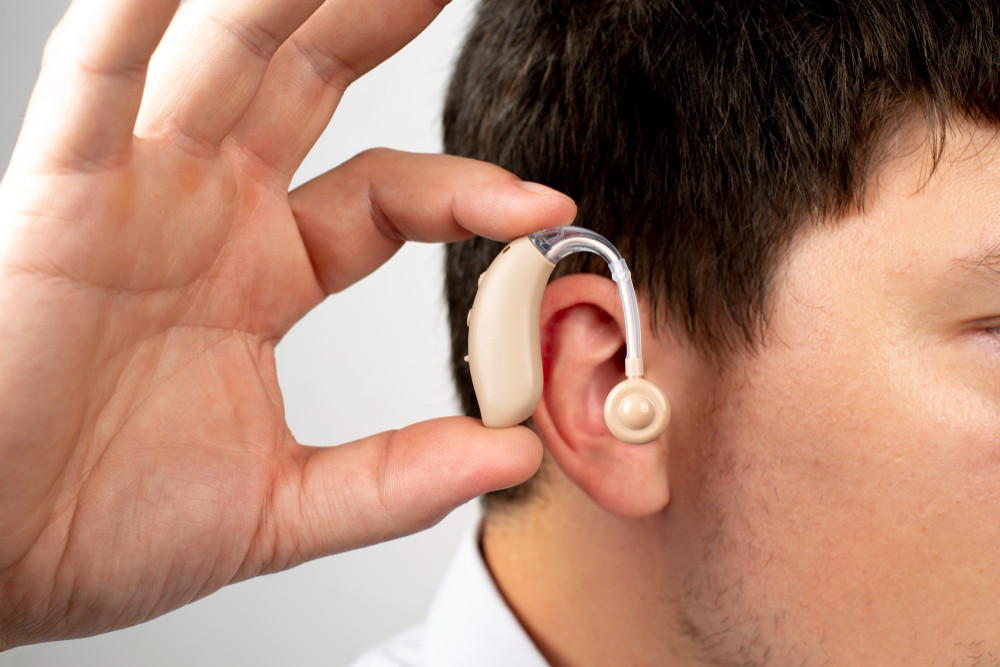
What Is a Cochlear Implant?
A cochlear implant is a small electronic device that helps people with severe hearing loss. Unlike hearing aids, it does not make sounds louder. Instead, it sends signals directly to the hearing nerve. As a result, many people regain the ability to hear sounds and speech. This device is a key part of advanced hearing rehabilitation for those who cannot benefit from regular hearing aids.
Who Can Benefit from a Cochlear Implant?
Not everyone with hearing loss needs a cochlear implant. However, some people find that hearing aids do not help enough. In these cases, a cochlear implant may be the best hearing loss treatment. People who may benefit include:
Children or adults with severe or profound hearing loss in both ears
Those who get little or no help from hearing aids
People who want to improve their ability to understand speech
Individuals with hearing loss caused by damage to the inner ear
Doctors will check your hearing and health to decide if this option is right for you.
How Does a Cochlear Implant Work?
First, it is important to know that a cochlear implant has two main parts. The first part sits behind the ear, while the second part is placed under the skin during surgery. The device works in the following way:
The outside part picks up sounds with a microphone
It changes these sounds into electrical signals
The signals travel to the inside part under the skin
This part sends the signals to the hearing nerve
The brain then understands these signals as sound
Because of this process, many people can hear better and understand speech more clearly.
Symptoms and Causes of Severe Hearing Loss
Severe hearing loss can happen at any age. Sometimes, it develops slowly. Other times, it appears suddenly. Common symptoms include:
Difficulty hearing conversations, especially in noisy places
Needing to turn up the TV or radio very loud
Asking people to repeat themselves often
Feeling left out in group settings
Many things can cause severe hearing loss. For example, aging, loud noise, infections, or certain medicines can damage the inner ear. In some cases, genetics play a role. Early treatment is important to help prevent further hearing loss.
The Cochlear Implant Procedure: Steps and What to Expect
Before surgery, doctors will do tests to check your hearing and health. If you are a good candidate, you will meet with a team to learn about the process. The cochlear implant surgery usually takes a few hours and is done under general anesthesia. Here is what you can expect:
Doctors make a small cut behind the ear
They place the implant under the skin and into the inner ear
The outside part is fitted a few weeks after surgery
Once healed, the device is turned on and adjusted
Most people go home the same day or after one night in the hospital. Recovery is usually quick, but you will need follow-up visits.
Recovery and Rehabilitation After Cochlear Implant Surgery
After surgery, you will need time to heal. The outside part of the cochlear implant is added once the area is ready. Next, the device is activated and adjusted to fit your needs. Rehabilitation is a key step in advanced hearing rehabilitation. This may include:
Learning how to recognize new sounds
Practicing listening and speech with a therapist
Attending follow-up visits for device adjustments
Joining support groups for people living with a cochlear implant
With practice and support, most people notice steady improvements in hearing and speech understanding.
Benefits and Potential Risks of Cochlear Implants
Cochlear implants offer many benefits, but there are also some risks. Understanding both can help you make an informed choice.
Improved ability to hear speech and sounds
Better understanding in noisy places
Increased confidence in social settings
Greater safety due to hearing alarms or warnings
However, as with any surgery, there are risks. These may include:
Infection or swelling at the surgery site
Device problems or failure
Changes in taste or numbness around the ear
Rarely, injury to nearby nerves
Doctors will discuss these risks and answer your questions before surgery.
Tips for Living with a Cochlear Implant
Living with a cochlear implant can take some adjustment. However, many people find that small changes help them get the most from their device. Consider these tips:
Keep the device clean and dry
Store spare batteries and parts in a safe place
Attend all follow-up visits for adjustments
Practice listening in different settings
Let friends and family know about your implant
Join support groups for advice and encouragement
With time, you will likely feel more comfortable and confident using your cochlear implant.
Preventing Hearing Loss: Lifestyle and Safety Guidance
While cochlear implants help many people, it is best to protect your hearing from the start. Here are some ways to prevent hearing loss:
Wear ear protection in loud places, such as concerts or construction sites
Keep music and TV volumes at safe levels
Take breaks from loud noise whenever possible
See a doctor if you notice any changes in your hearing
Avoid putting objects in your ears
Follow safety rules at work and during sports
Because early action can make a big difference, always take steps to care for your ears and hearing health.
Conclusion
If you or a loved one is considering a cochlear implant, Dr. Satish Kumar Korum can guide you through your options. Schedule a visit to discuss advanced hearing rehabilitation and get personalized care.