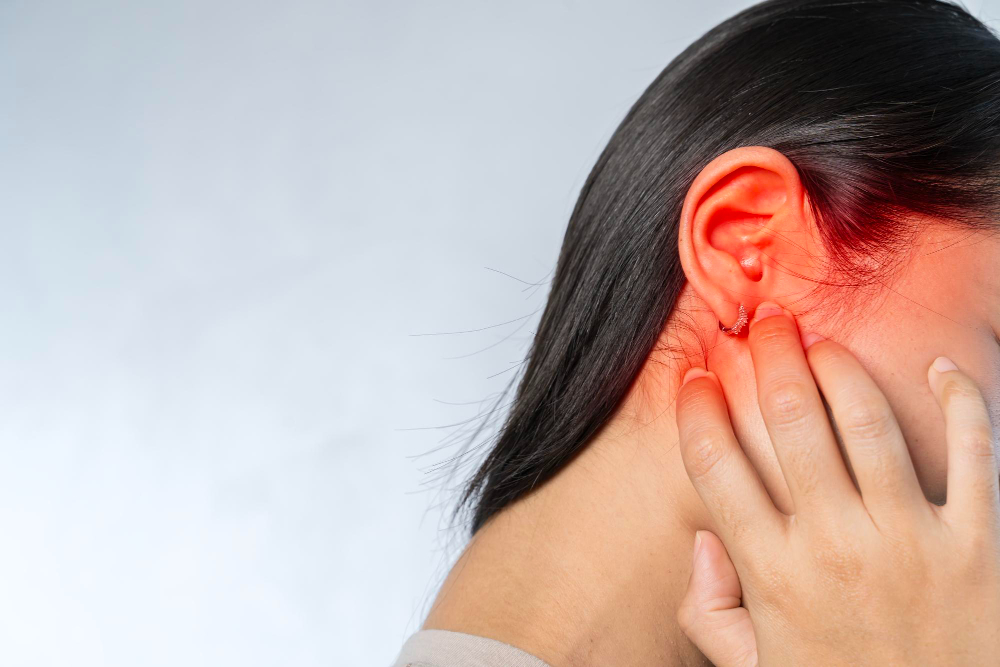
What is Cholesteatoma?
Cholesteatoma is a rare but serious ear condition. It happens when skin cells grow in the middle ear, where they do not belong. Over time, these cells form a small sac or cyst. Because it grows slowly and often without pain, cholesteatoma is called a “silent” condition. However, it can damage the bones inside your ear. This may lead to hearing loss or even more serious problems if not treated. Although it is not a cancer, cholesteatoma can be dangerous if ignored. Early detection is key to protecting your ear health.
Common Symptoms of Cholesteatoma
At first, cholesteatoma may not cause any symptoms. But as it grows, you may notice changes in your ear. For example, you might see or feel:Ongoing ear discharge, often with a bad smellHearing loss in one earFullness or pressure in the earEar pain, especially if infection occursRinging in the ear (tinnitus)Dizziness or balance problems
Sometimes, symptoms are mild. However, they can get worse over time. If you notice any of these signs, it is important to see an ENT specialist.
Causes and Risk Factors
Cholesteatoma can develop for several reasons. Sometimes, it is present at birth, but most cases happen later in life. The main causes and risk factors include:Repeated ear infectionsChronic middle ear problemsEar injuries or surgeryPoor Eustachian tube function (the tube that connects the ear to the back of the nose)Family history of ear conditions
In addition, people with allergies or sinus issues may have a higher risk. Children and adults can both develop cholesteatoma, but it is more common in adults.
How is Cholesteatoma Diagnosed?
Doctors use several steps to diagnose cholesteatoma. First, they will ask about your symptoms and medical history. Next, they will look inside your ear with a special tool called an otoscope. This helps them see any growth or infection. Sometimes, they may order hearing tests or scans, such as a CT scan, to check for damage. Early diagnosis is important because it helps prevent serious problems like hearing loss or spread of infection.
Treatment Options for Cholesteatoma
Treating cholesteatoma usually requires surgery. The goal is to remove the growth and stop further damage. Your ENT specialist will explain the best treatment for you. In some cases, you may need:Antibiotic ear drops to treat infectionRegular ear cleaning by a doctorOne or more surgeries to remove the cholesteatoma and repair the ear
After treatment, you may need follow-up visits to check for any return of the condition. With proper care, most people recover well. However, untreated cholesteatoma can cause lasting hearing loss or even spread infection to nearby areas.
Prevention and Lifestyle Tips
While not all cases can be prevented, you can lower your risk with good ear care. Here are some helpful tips:Treat ear infections quickly and fullyAvoid putting objects in your earKeep ears dry and clean, especially after swimmingManage allergies and sinus problemsSee a doctor if you notice any ear discharge or hearing loss
In addition, regular check-ups with an ENT specialist can help catch problems early. This is especially important if you have a history of ear infections or surgery.
When to See an ENT Specialist
If you notice ongoing ear discharge, hearing loss, or pain, do not wait. It is important to see an ENT specialist as soon as possible. Early treatment can prevent serious damage. In many cities, you can find experts who offer cholesteatoma treatment and ear health care. Remember, ignoring symptoms can lead to bigger problems. Your hearing and health are worth protecting.
If you have any signs of cholesteatoma or concerns about your ear health, consult an ENT specialist Dr. Satish Kumar Korum for personalized advice and treatment.