Introduction
Ear wax build-up is a common problem for many people. Ear wax, also called cerumen, usually protects your ears. However, sometimes it can collect and cause discomfort. In some cases, ear wax build-up may need medical removal. Knowing when to seek help is important for your ear health. This blog explains the signs, causes, and safe solutions for ear wax build-up. You will also learn about safe ear cleaning and when to get ENT specialist advice.
What Is Ear Wax and Its Role?
Ear wax is a natural substance made by glands in your ear canal. It helps trap dust, dirt, and germs. Because of this, ear wax protects your ears from infection. Normally, ear wax moves out of the ear on its own. However, sometimes it can build up and cause problems.
Common Symptoms of Ear Wax Build-Up
Often, ear wax does not cause any trouble. But if it builds up, you may notice symptoms. For example, you might feel:Earache or painFullness or pressure in the earDecreased hearingRinging in the ear (tinnitus)Itching or dischargeDizziness or balance problems
Sometimes, these symptoms can be mild. However, if they get worse, you should seek medical advice.
Causes of Excessive Ear Wax
Many things can lead to too much ear wax. For instance, some people naturally make more wax. Also, using cotton swabs or other objects can push wax deeper. Hearing aids or earplugs may also block wax from leaving the ear. In addition, narrow or hairy ear canals can make wax build-up more likely. Age can play a role as well, since older adults often have drier wax.
When Does Ear Wax Need Medical Removal?
Most of the time, ear wax does not need treatment. However, there are times when medical removal is needed. You should see a doctor if:You have severe pain or hearing lossThere is drainage, bleeding, or a bad smell from your earYou feel dizzy or have balance problemsHome treatments do not workYou have a history of ear surgery or ear tubesYou use hearing aids or have diabetes
In these cases, an ENT specialist can safely remove the impacted ear wax. According to the CDC, medical removal is safest for people with ear problems or certain health conditions.
Safe Medical Removal Methods
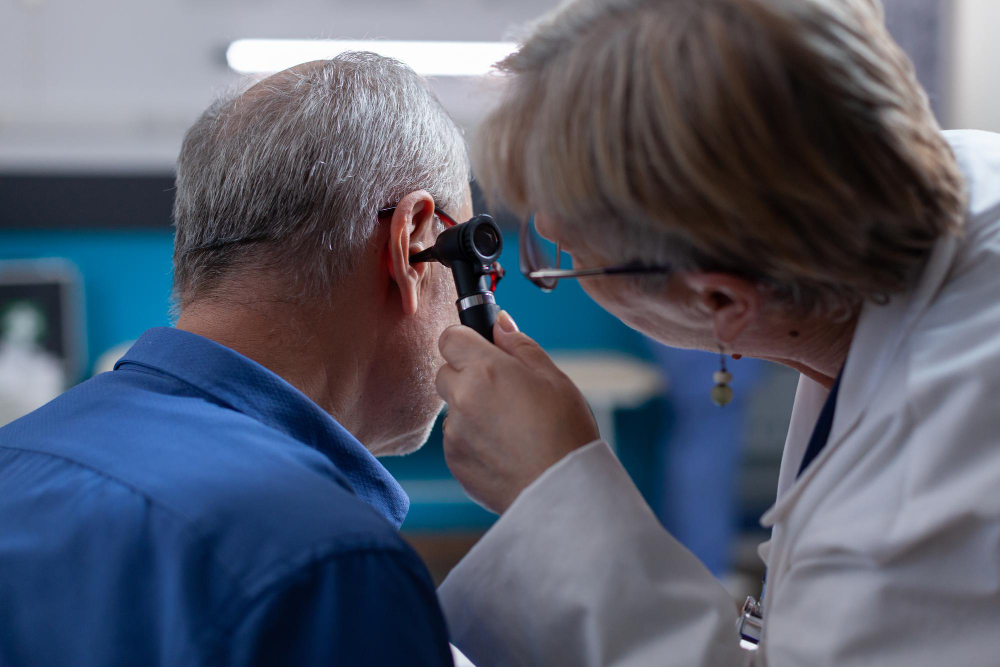
Doctors use several safe methods for ear wax removal. For example, they may use:Ear drops to soften the waxGentle irrigation with warm waterSpecial tools to remove wax under direct vision
Because these methods are done by trained professionals, they lower the risk of injury. Never try to remove ear wax with sharp objects or cotton swabs. This can push wax deeper or damage your ear.
Risks of Ignoring or Self-Treating Ear Wax Build-Up
Ignoring ear wax build-up can cause more problems. For instance, you may develop an ear infection or lose hearing. Trying to remove wax at home with unsafe tools can hurt your ear canal or eardrum. In rare cases, this can lead to lasting damage. Therefore, always follow safe ear cleaning tips and seek ENT specialist advice if needed.
Prevention Tips and Healthy Ear Care
There are simple ways to prevent ear wax build-up. Consider these tips:Do not put objects like cotton swabs in your earLet ear wax move out naturallyWipe the outer ear gently with a damp clothUse ear drops only if your doctor suggests themSee a doctor if you have frequent wax problems
With these steps, you can keep your ears healthy and avoid impacted ear wax.
Conclusion
In summary, ear wax build-up is common and often harmless. However, sometimes it needs medical removal. If you have pain, hearing loss, or other symptoms, do not wait. Consult an ENT specialist Dr. Satish Kumar Korum ENT if you suspect ear wax build-up needs medical removal. Safe ear cleaning and regular check-ups can help protect your hearing.