Introduction
Nasal polyps are soft, painless growths inside the nose. Often, they cause chronic nasal blockage that keeps coming back. Many people with nasal polyps struggle to breathe easily. Because these growths can return, managing them is important. In this blog, you will learn about nasal polyps, their symptoms, causes, and treatment options. You will also find tips for managing and preventing recurrence.
What Are Nasal Polyps?
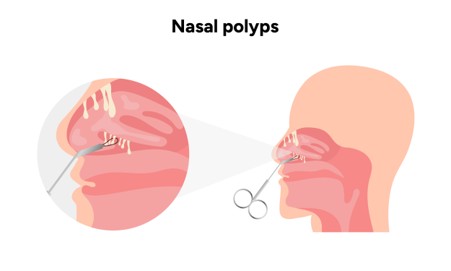
Nasal polyps are small, non-cancerous lumps that form on the lining of your nose or sinuses. Usually, they look like teardrops or grapes. While they are not harmful, they can block your nasal passages. As a result, you may feel stuffy or have trouble breathing. Nasal polyps are linked to long-term swelling in the nose, often called chronic sinusitis. This condition can affect your sense of smell and overall sinus health.
Common Symptoms of Nasal Polyps
Because nasal polyps grow slowly, you might not notice them at first. However, as they get larger, symptoms can become more obvious. For example, you may experience:Persistent nasal blockage or stuffinessRunny nose or postnasal dripReduced or lost sense of smellFrequent sneezingFacial pressure or painSnoring or trouble sleepingFrequent sinus infections
Sometimes, these symptoms can be mistaken for allergies or a common cold. However, if they last for weeks, nasal polyps may be the cause.
Causes and Risk Factors
Although the exact cause of nasal polyps is not always clear, long-term swelling in the nose is a main factor. This swelling can result from:Chronic sinus infectionsAsthmaAllergic rhinitis (hay fever)Sensitivity to aspirinCystic fibrosis
In addition, some people are more likely to develop nasal polyps. For instance, adults over 40, people with family history of polyps, and those with certain immune conditions face higher risk. Because these factors can overlap, it is important to watch for symptoms.
How Nasal Polyps Are Diagnosed
To diagnose nasal polyps, doctors often start with a physical exam. They may use a special light to look inside your nose. Sometimes, they use a thin, flexible tube called an endoscope for a closer look. In some cases, a CT scan or MRI helps find the size and location of the polyps. These tests also show if your sinuses are blocked. Early diagnosis can help prevent further problems.
Treatment Options for Nasal Polyps
Treating nasal polyps usually starts with medicines. For example, doctors may suggest:Nasal steroid sprays to reduce swellingOral steroids for severe casesAntihistamines if allergies are presentSaline nasal rinses to clear mucus
If medicines do not help, surgery may be needed. During surgery, the doctor removes the polyps and clears blocked sinuses. However, polyps can return, so ongoing care is important. According to the CDC, regular follow-up helps manage chronic nasal blockage and improves sinus health.
Tips for Managing and Preventing Recurrence
Even after treatment, nasal polyps can come back. Therefore, it is helpful to follow these tips:Use nasal sprays as prescribedRinse your nose with saline regularlyAvoid known allergens and irritantsManage asthma and allergies carefullyKeep indoor air moist with a humidifierSee your doctor for regular check-ups
By following these steps, you can lower your risk of recurrence and improve your breathing.
When to See an ENT Specialist
Sometimes, home care is not enough. If you have ongoing nasal blockage, frequent sinus infections, or trouble breathing, it is time to see an ENT specialist. Also, if your symptoms return after treatment, a specialist can help. Early care can prevent complications and improve your quality of life.
In summary, nasal polyps can cause chronic nasal blockage that keeps coming back. However, with the right care, you can manage symptoms and reduce recurrence. Consult an ENT specialist at Dr.Satish Kumar Korum for personalized guidance on chronic nasal polyps.