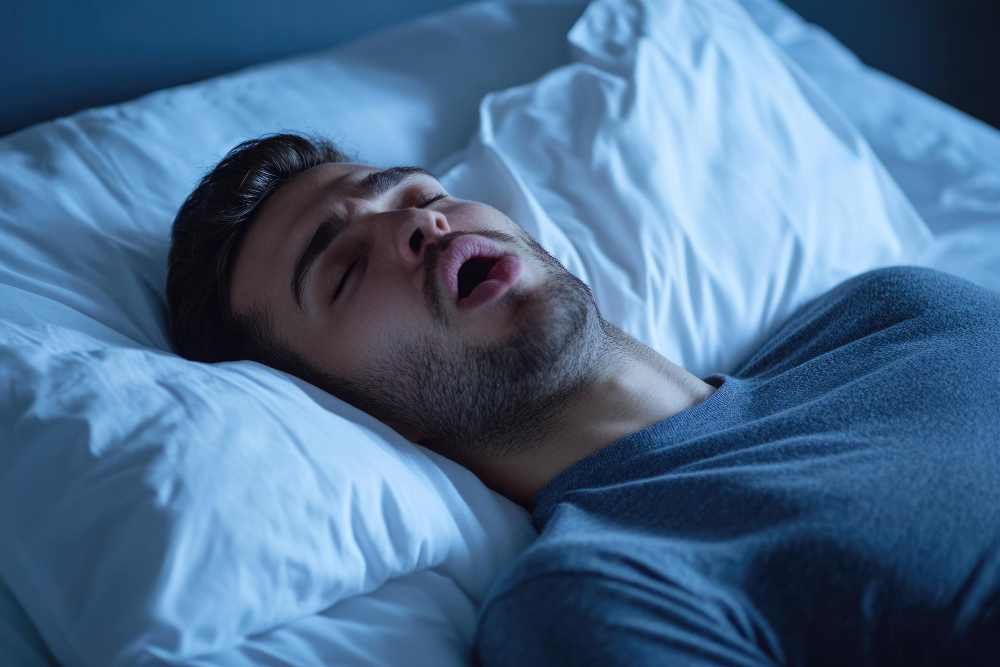
What is Sleep Apnea?
Sleep apnea is a common sleep disorder. It causes your breathing to stop and start while you sleep. Because of this, you may feel tired during the day. Many people do not know they have sleep apnea. However, it can lead to serious health problems if left untreated. In the United States, millions of people live with this condition. Early detection and treatment for sleep apnea can improve your quality of life.
Common Symptoms of Sleep Apnea
Often, sleep apnea symptoms are easy to miss. Still, knowing what to look for can help. Here are some common signs:Loud snoring, especially at nightPauses in breathing during sleep (often noticed by others)Waking up gasping or chokingMorning headachesFeeling very tired during the dayTrouble focusing or remembering thingsMood changes, such as feeling irritable
Sometimes, children with sleep apnea may show different signs. For example, they may have trouble paying attention at school or wet the bed.
Causes and Risk Factors
There are different types of sleep apnea. The most common is obstructive sleep apnea. This happens when the throat muscles relax and block the airway. Central sleep apnea is less common and involves the brain not sending the right signals to breathe. Several factors can increase your risk:Being overweight or obeseHaving a large neck or small airwayFamily history of sleep apneaBeing male (though women can have it too)Getting olderSmoking or drinking alcoholHaving nasal congestion or allergies
Because these risks add up, it is important to talk to your doctor if you notice symptoms.
How Sleep Apnea is Diagnosed
Doctors use several steps to diagnose sleep apnea. First, they ask about your symptoms and medical history. Next, they may do a physical exam. Often, you will need a sleep study. This test, called polysomnography, records your breathing, heart rate, and oxygen levels while you sleep. Sometimes, you can do a home sleep apnea test. However, your doctor will decide which test is best for you. Early diagnosis helps prevent serious problems, such as heart disease or high blood pressure.
Treatment Options for Sleep Apnea
Treatment for sleep apnea depends on how severe it is. Your doctor will suggest the best plan for you. Common options include:Continuous Positive Airway Pressure (CPAP) machine: This device keeps your airway open while you sleep.Oral appliances: These fit in your mouth and help keep your throat open.Lifestyle changes: Losing weight, quitting smoking, or avoiding alcohol can help.Surgery: In rare cases, surgery may be needed to remove tissue or fix airway problems.
Because each person is different, your doctor will guide you through the best choices.
Lifestyle Tips and Prevention
While not all cases can be prevented, some steps may lower your risk. Here are some helpful tips:Maintain a healthy weightSleep on your side instead of your backAvoid alcohol and sedatives before bedtimeKeep your nasal passages clearFollow a regular sleep schedule
Additionally, regular exercise and a balanced diet can improve your sleep quality.
When to See a Doctor
If you notice signs of sleep apnea, do not wait. For example, if you snore loudly, feel tired during the day, or wake up gasping, talk to your doctor. Early treatment can prevent serious health issues. In the United States, many clinics offer sleep studies and treatment options. Remember, your health and well-being matter.
For personalized advice on sleep apnea, consult Dr. Alvin today.