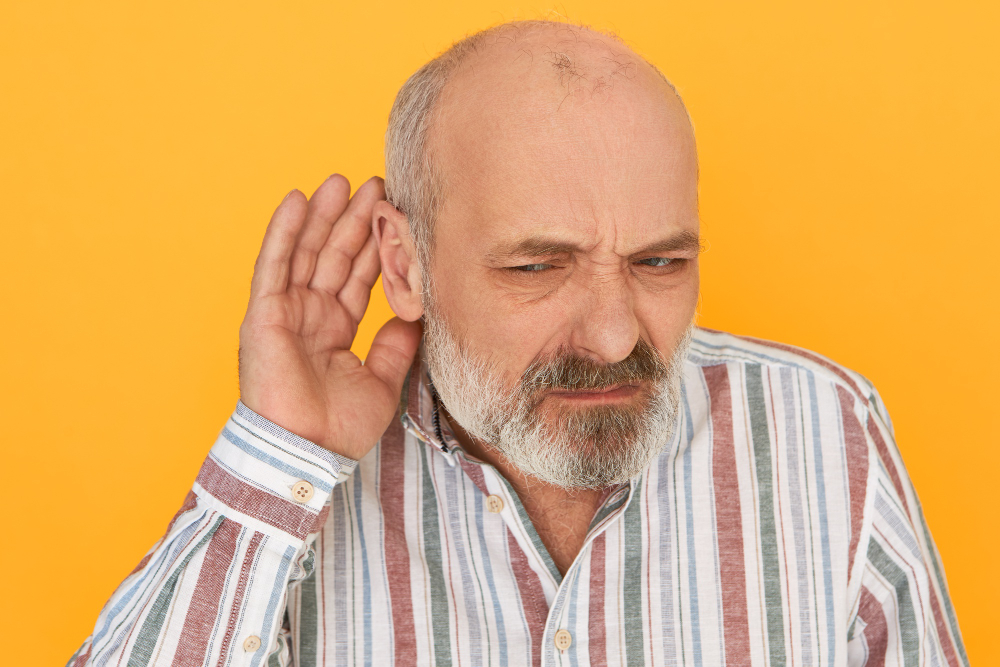
What is Presbycusis?
Presbycusis is the medical term for age-related hearing loss. It is a common condition in older adults. In fact, many people notice changes in their hearing as they age. Because presbycusis develops slowly, you might not notice it at first. However, over time, it can make daily life harder. According to the World Health Organization (WHO), hearing loss affects millions of older adults worldwide.
Common Symptoms of Presbycusis
Presbycusis can cause several symptoms. These signs often appear gradually. Therefore, it is important to watch for changes in your hearing. Common symptoms include:Difficulty hearing conversations, especially in noisy placesNeeding to ask people to repeat themselvesTurning up the volume on the TV or radioTrouble hearing high-pitched sounds, like birds or doorbellsRinging in the ears, also called tinnitus
Sometimes, people may feel frustrated or withdraw from social activities. This can happen because hearing loss makes communication harder.
Causes and Risk Factors
Presbycusis is mainly caused by natural changes in the inner ear as we age. However, other factors can also play a role. For example, long-term exposure to loud noises can damage hearing. Additionally, genetics may increase your risk. Some health conditions, such as diabetes or high blood pressure, can also affect hearing. The Centers for Disease Control and Prevention (CDC) notes that certain medicines may harm the ear over time.
Key risk factors include:Getting olderFamily history of hearing lossLong-term noise exposureChronic health problemsUse of certain medications
How Presbycusis is Diagnosed
Doctors use several steps to diagnose presbycusis. First, they ask about your symptoms and medical history. Next, they may look inside your ears to check for blockages or infections. After that, a hearing test, called an audiogram, is done. This test measures how well you hear different sounds and pitches. Sometimes, more tests are needed to rule out other causes of hearing loss. Early diagnosis helps you get the right treatment sooner.
Treatment Options for Presbycusis
While presbycusis cannot be cured, there are many presbycusis treatment options. These can help you hear better and improve your quality of life. Treatment choices include:Hearing aids to make sounds louder and clearerAssistive listening devices, such as amplified phonesCounseling or hearing therapy to improve communication skillsCochlear implants for severe hearing loss
Doctors will help you choose the best option based on your needs. In some cases, treating related health problems can also help your hearing.
Tips for Managing Age-Related Hearing Loss
Living with hearing loss can be challenging. However, there are ways to make daily life easier. Try these tips:Let friends and family know about your hearing lossAsk people to speak clearly and face you when talkingReduce background noise when having conversationsUse written notes or text messages when neededJoin support groups for people with hearing loss
With the right support, you can stay active and connected.
Prevention and Lifestyle Guidance
Although you cannot stop aging, you can protect your hearing. For example, avoid loud noises whenever possible. If you must be around loud sounds, wear ear protection. Also, keep your ears clean and dry. Managing health conditions, such as diabetes or high blood pressure, can help too. The CDC recommends regular hearing checks for older adults. Early action can prevent further hearing loss.Limit exposure to loud music or machineryUse earplugs in noisy placesMaintain a healthy lifestyleSee your doctor for regular check-ups
In summary, presbycusis is a common part of aging, but help is available. If you notice changes in your hearing, do not wait.
Consult Dr. Satish Kumar Korum for personalized advice on presbycusis.