Introduction
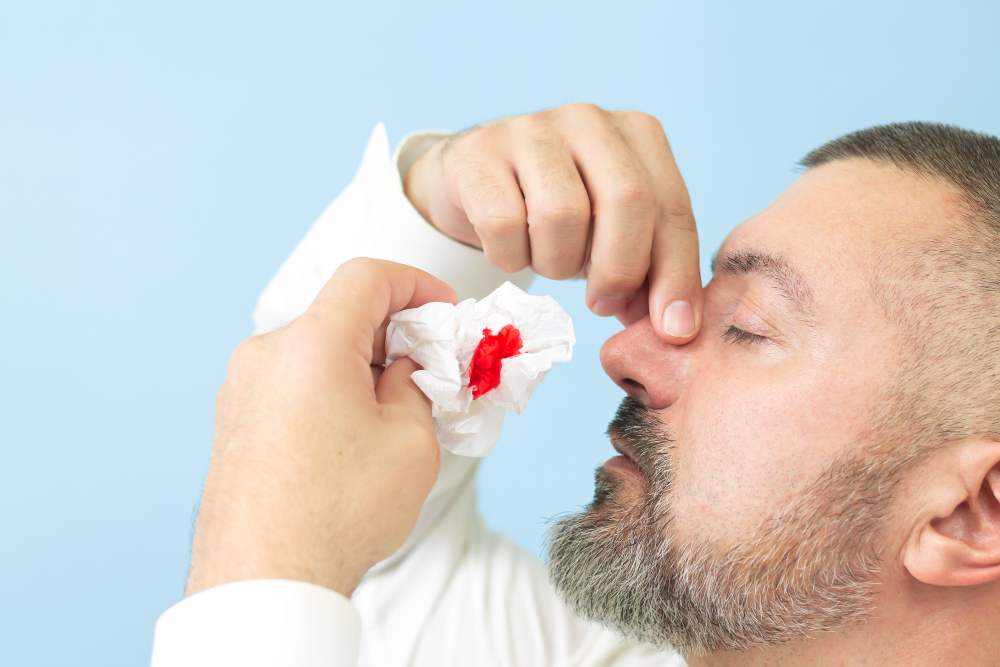
Epistaxis, also known as a nosebleed, is a common problem. Many people wonder about the causes of epistaxis and why nosebleeds happen. While most nosebleeds are not serious, they can be scary. In fact, nosebleeds affect people of all ages. According to the World Health Organization, most nosebleeds are mild and stop on their own. However, knowing the causes can help you prevent them and know when to seek help.
Primary Causes of Epistaxis
There are many causes of epistaxis. Doctors often divide them into local and systemic causes. Understanding these can help you manage and prevent nosebleeds.
Local Causes
Dry air: Living in dry climates or using indoor heating can dry out the nose.Nose picking: This is a common cause, especially in children.Injury: A blow to the nose or frequent rubbing can start a nosebleed.Allergies: Sneezing or frequent nose blowing can irritate the nose lining.Infections: Colds or sinus infections can make the nose more likely to bleed.Foreign objects: Sometimes, small items stuck in the nose cause bleeding.
Systemic Causes
Blood-thinning medicines: Drugs like aspirin or warfarin can make bleeding worse.Bleeding disorders: Conditions like hemophilia affect how blood clots.High blood pressure: This can make blood vessels in the nose more likely to break.Liver disease: This can affect blood clotting and increase bleeding risk.
Risk Factors for Epistaxis
Some people are more likely to get nosebleeds. Knowing the risk factors for epistaxis can help you stay alert. For example, children and older adults get nosebleeds more often. People living in dry climates or at high altitudes are also at higher risk. Additionally, those who use blood-thinning medicines or have allergies may notice more nosebleeds. If you have a family history of bleeding problems, you may be at risk too.
When to Seek Medical Help
Most nosebleeds stop on their own. However, you should see a doctor if:The nosebleed lasts longer than 20 minutesYou lose a lot of bloodYou have frequent nosebleedsYou feel weak, dizzy, or faintThe bleeding started after an injuryYou take blood-thinning medicines or have a bleeding disorder
In these cases, an ENT specialist can help find the cause and offer treatment.
Prevention Tips for Nosebleeds
There are simple steps you can take to prevent nosebleeds. For example, keep your nose moist by using a saline spray. You can also use a humidifier in your home, especially in dry climates. Try not to pick or rub your nose. Trim your nails to avoid injury. If you have allergies, manage them with your doctor’s help. Always follow your doctor’s advice if you take blood-thinning medicines. These tips can help reduce your risk of nosebleeds.
Conclusion
To sum up, the causes of epistaxis range from dry air to medical conditions. While most nosebleeds are not serious, knowing the risk factors and prevention tips can help you stay safe. If you have frequent or severe nosebleeds, consult an ENT specialist at Dr. Satish Kumar Korum‘s clinic for personalized advice.